The Exhibit
Jaer joins us for a year of evolving art in the corridor. Over three installations, Jaer presents a speculative fiction that merges the collective history of Midwestern Mexican-Americans with Singapore’s history through his practice of visual and media arts.
El Punto de Reposo (The Point of Repose)
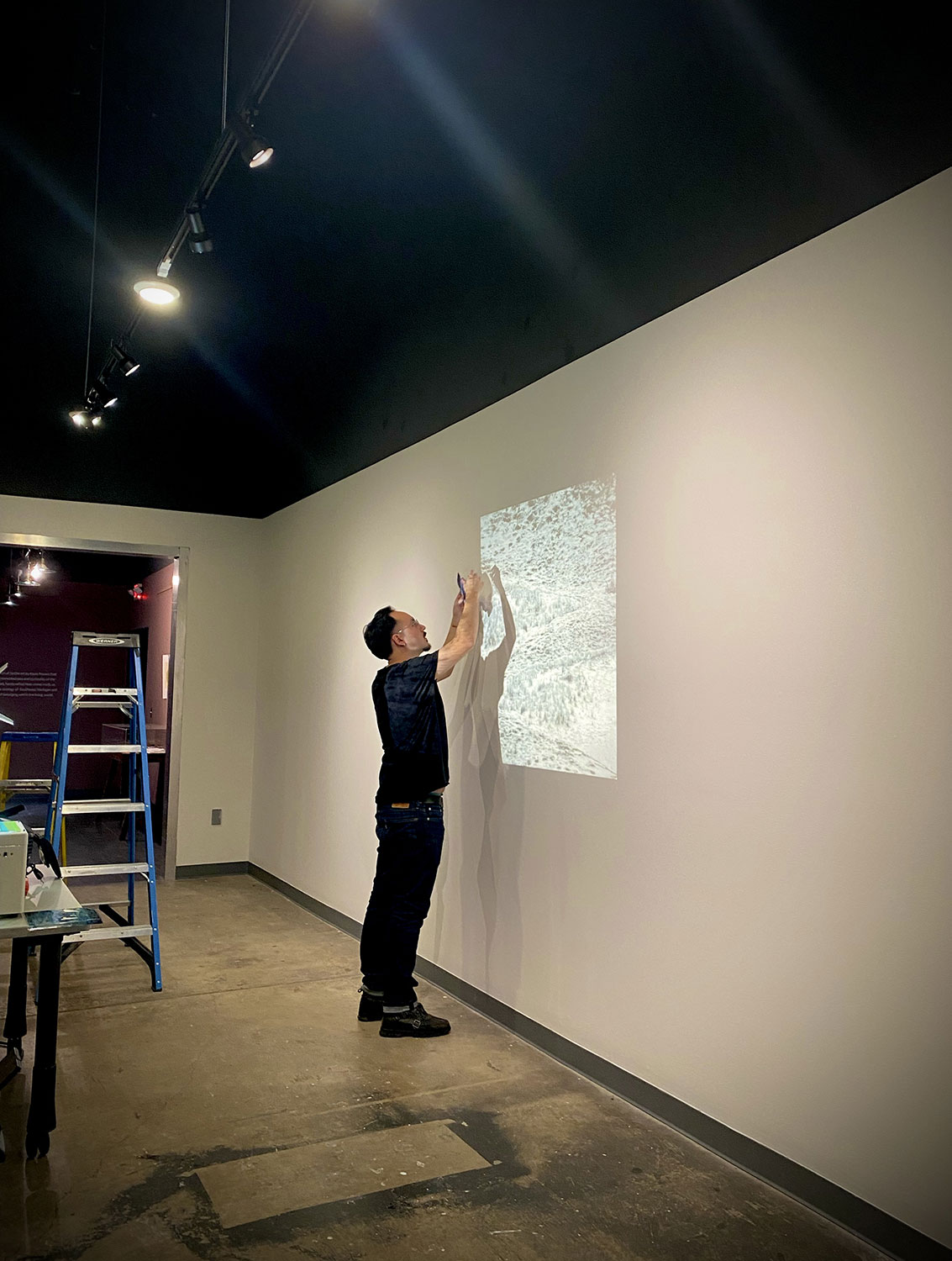
El Punto de Reposo (The Point of Repose) begins with the buried city of Singapore, Michigan, using its history as the foundation of a speculative fiction narrative. The exhibition explores the entwined timelines of humans and nature, revealing how landscapes shift, memories persist or fade, and human impact leaves traces that outlast us. Through shifting artworks and layered narratives, viewers are invited to reflect on time, environment, and our place within both.
The exhibition ultimately asks: How do landscapes carry our histories—and what occurs when our histories are buried by the environments we reshape?
Nestled near the mouth of the Kalamazoo River, Singapore was founded in the 1830s by ambitious land “speculators” who hoped it would rival Chicago. After the great fires of 1871, Singapore’s sawmill worked relentlessly to supply rebuilding efforts around the region. This surge led to aggressive deforestation, leaving the town exposed to Lake Michigan’s drifting sands. By the late 1870s, drifting sand had encroached, and in some cases, buried Singapore’s buildings, leading to the city’s abandonment. To this day there are remnants from the city buried beneath dunes.
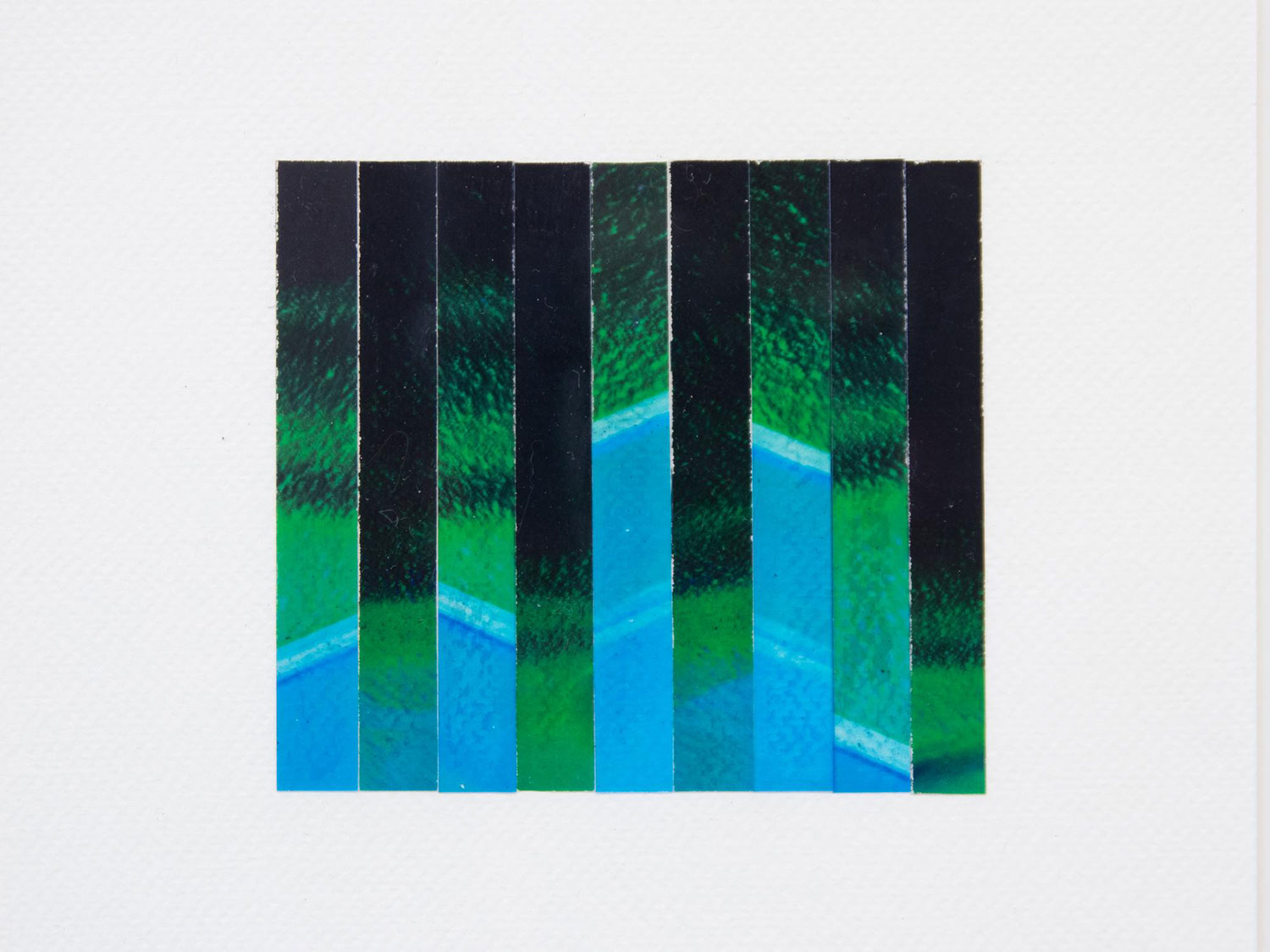
El Punto de Reposo (The Point of Repose) presents a speculative fiction that merges the collective history of Midwestern Mexican-Americans with Singapore’s history over three acts. The exhibition uses projections, photographs, and collages, to build an allegory that continually shifts in its exploration of memory and transformation. By inserting a new, fictional character into Singapore’s story, the project creates a space where reflection and transformation unfold. That logic of transformation also shapes the installation’s evolving material presence.
The exhibition itself shifts over time, with images and materials added, moved, and removed, accumulating and dispersing like the sands that slowly overtook Singapore. Navigating through the space, the viewers’ own bodies, willingly or unwilling, interrupt the projections. Their presence underscores the friction between the slow, glacial processes shaping dunes and lakes and the accelerated pace of human time, which can struggle to register these deeper scales. This tension reveals how environments shift under human interaction in both uneasy and pleasurable ways.

The Artist
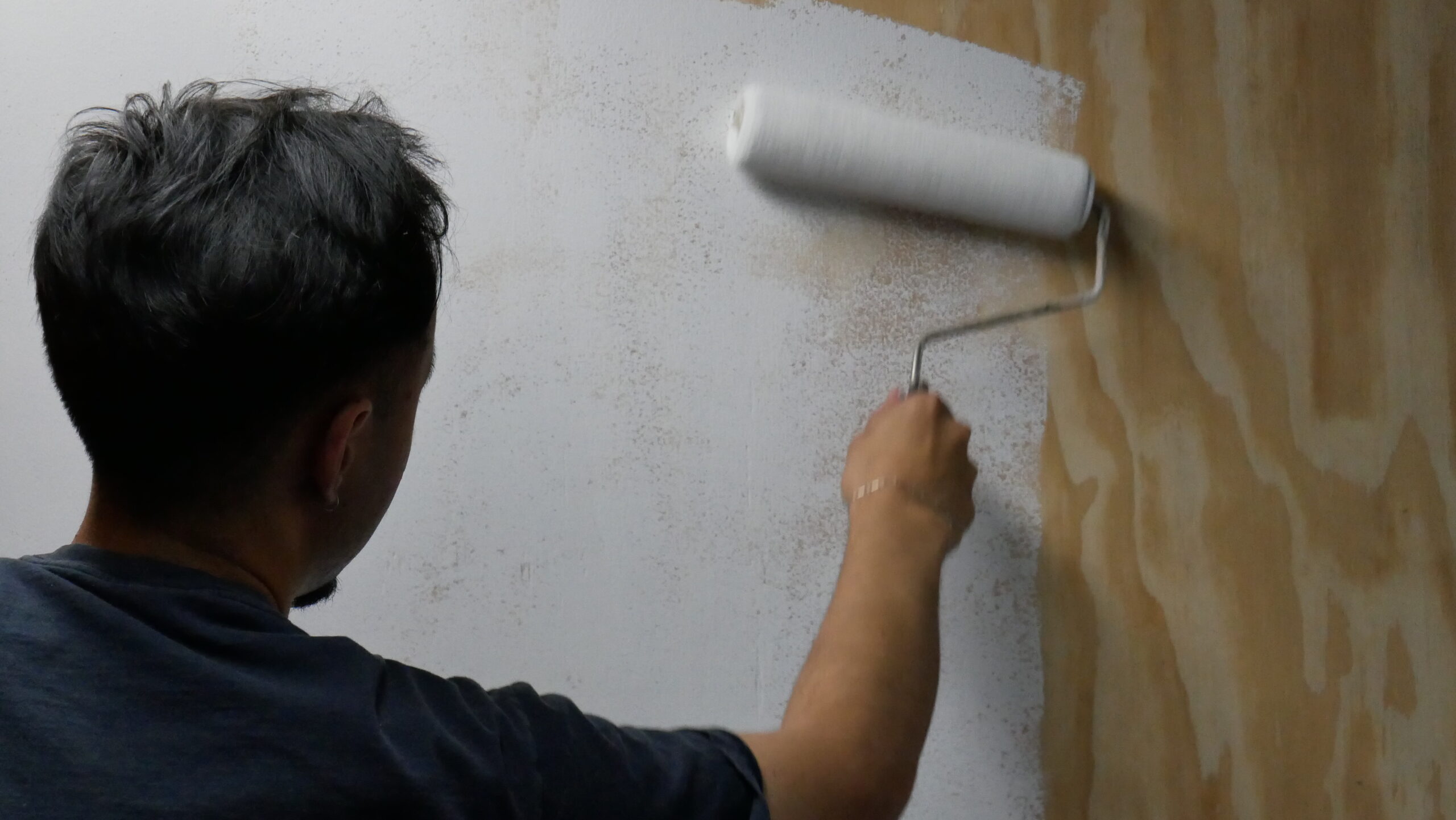
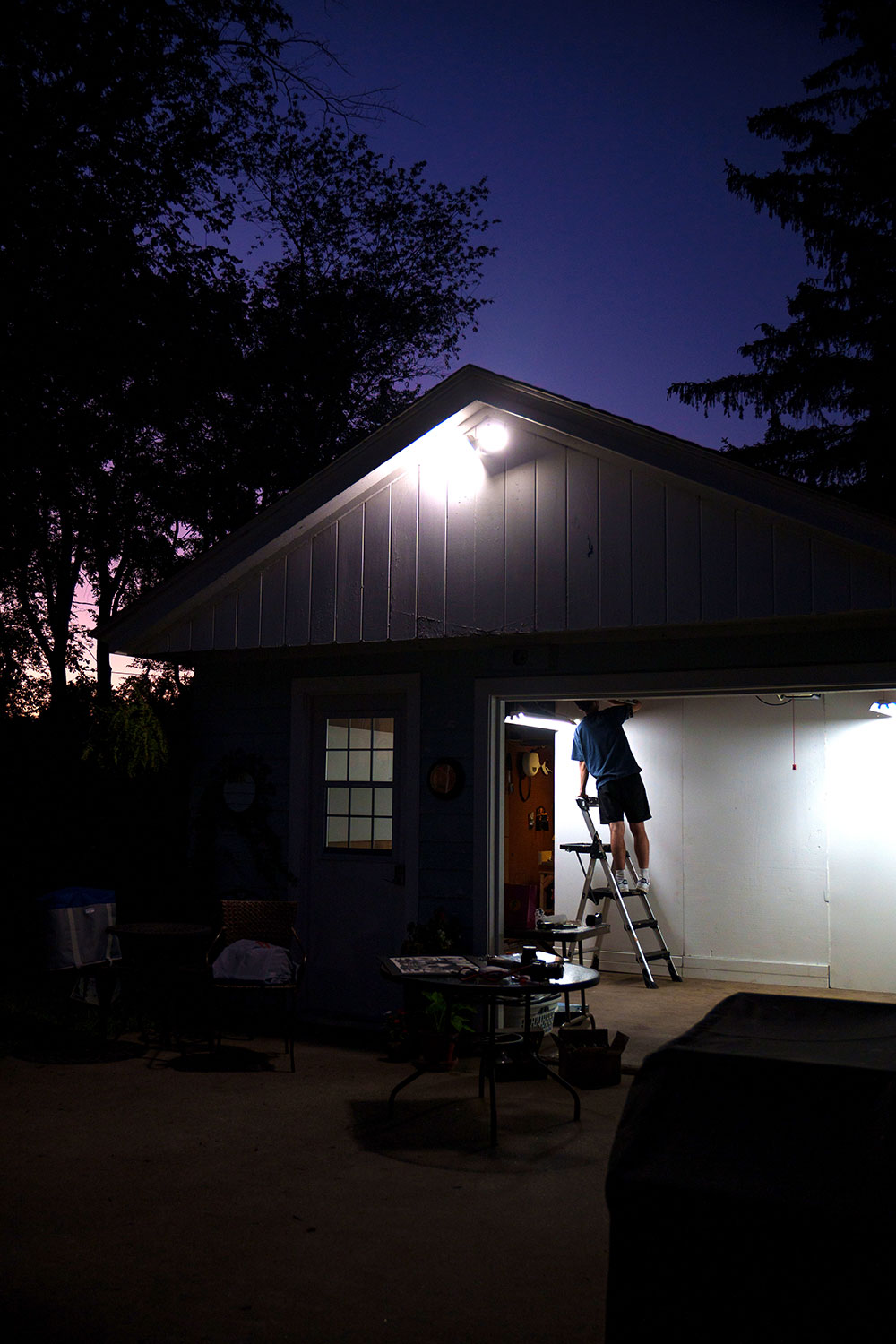
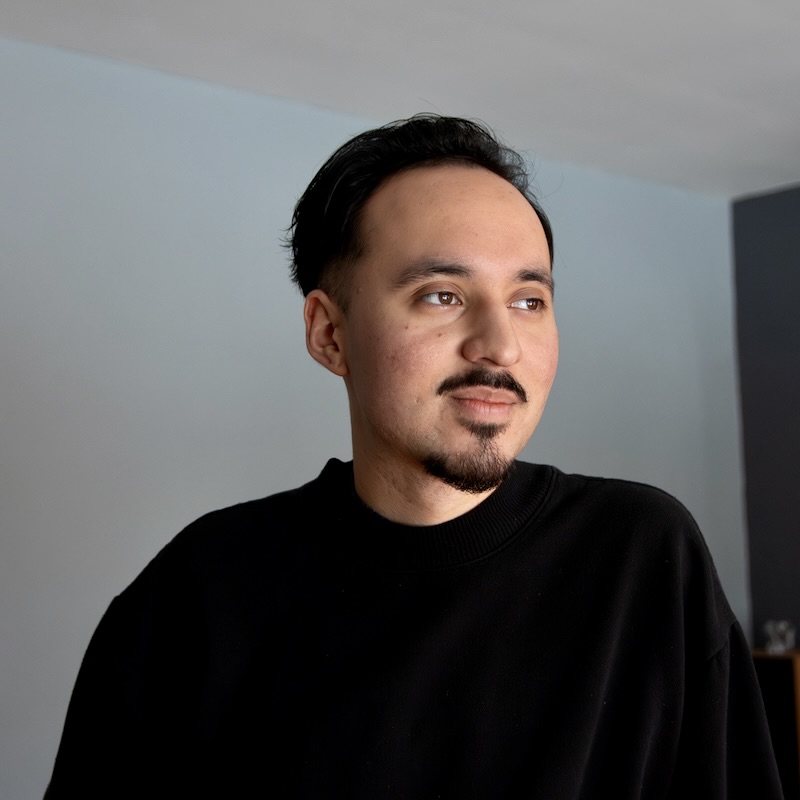
Jaer Medina (b. 2001) is a Chicano artist and educator based in Holland, Michigan. He is a graduate of Grand Valley State University’s Department of Visual and Media Arts. Working across photography, collage, sculpture, and social practice, he builds his work with readily available tools. He often tinkers with found materials, home printers, and simple tools, such as hammer and nails to create work that is grounded in accessible craft. His practice challenges urban-normative ideas of culture by centering the space-making and creative traditions of Midwestern Mexican-American communities.
Outside his visual art practice, Jaer runs CREA, a community-centric art space and incubator exploring the role of art in public life through exhibitions, workshops, neighborhood newspapers, and other forms of public programming. He also serves as an instructor and program assistant at CultureWorks Transformative Art + Design Academy.
Jaer's Statement
“My relationship with art did not begin until my late teens. With an abundance of free time during the COVID-19 pandemic, I became immersed in trying to “understand” art — a naive starting point, perhaps, but one I’ve come to value, since so many inquiries begin in that spirit. That initial curiosity led me down a path to the art building at Grand Valley State University. I learned there that art is not something that passively adorns walls. Instead, it is an active medium. It allows us to ask questions, investigate ideas, and better understand the world we inhabit.
Art allows us to examine the social and physical infrastructures that shape our lives. Sometimes art takes the form of a painting or sculpture. Other times it emerges through writing or performance. Over the past year (that is, 2025), I’ve been exploring how art appears in the shared spaces between us through experiments at my alternative art space, CREA (short for Comunidad de reflexión experimental y artes). Gathering, convening, and being present with one another are fundamental to how we engage with and create art. In paying attention to these shared moments, I started to see a different kind of space emerging, one rooted less in objects and more in presence.
I’ve begun to describe this as “soft space”: a place to land, to think, and, importantly, to imagine together. By leveraging the act of presence, soft space materializes wherever a community finds itself. That could be in a local park, a church basement, in our hands as we hold a publication, or in any other form of non-traditional art space. A one-size-fits-all solution is not applicable here. Rather than focusing on form, I am interested in the collective possibilities that allow us to imagine worlds rooted in justice, inclusion, and connection.
As I’ve come to understand this idea, it’s become clear to me that this is a method I’ve experienced before. It’s not something new. As a Mexican-American, I’ve experienced how communities can form in the margins of everyday life and transform those margins into sites of connection and possibility. What I have been replicating is the way I participate in community as a Latino living in the United States. By building on the creative traditions and space-making practices of my Mexican-American heritage, I am able to provide this model within the art world to aid in imagining new possibilities, new forms of care, all shaped by a desire to center meaning in our community. This continues the legacy of those who have created space for me to posit these very ideas.
During my time as Artist-in-Residence at the Saugatuck Center for the Arts, I hope to offer a glimpse of this approach—so that visitors might carry it forward as part of an ever-shifting and expanding community. We may not always be at the Center at the same time, but that doesn’t mean we cannot be thinking about one another. Art is the beginning, not the end. It spreads outward like ripples in a pond, moving through our communities and shaping how we live, how we care, and how we make meaning together.”
Related Programming
Center On – February 27, 10am – 11am in the SCA Lobby
Join us for an artist talk with Jaer as he shares his vision for a year-long residency at Saugatuck Center for the Arts. Jaer explores how landscapes carry our histories—and what happens when those histories are buried by the environments we reshape. Drawing on his Mexican-American heritage and his work at CREA, an alternative art space in Holland dedicated to experimentation, gathering, and shared creative inquiry, Jaer creates “soft spaces”—moments of presence and community that exist beyond traditional art objects. Through these practices, he invites us to rethink how art can foster connection, justice, and care in the spaces we inhabit together.
This event will all serve as the public opening reception of El Punto de Reposo
Camps + Classes
From 3 – 103, there’s a chance for all ages to get creative with Shannon this spring! Littles can join In Progress With… programming at the Library + SCA, or get creative with your family at our new Side by Side programming. Don’t miss the creative fun.
Thank you to our sponsors